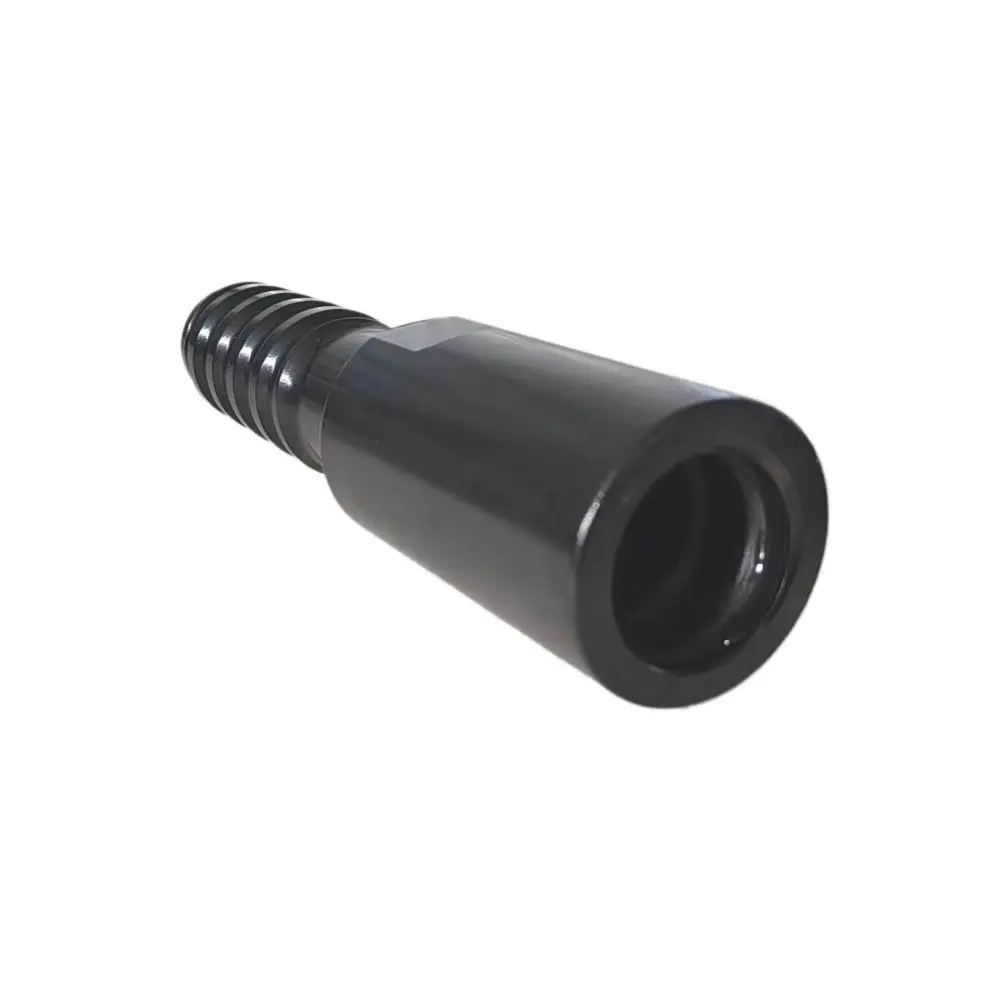
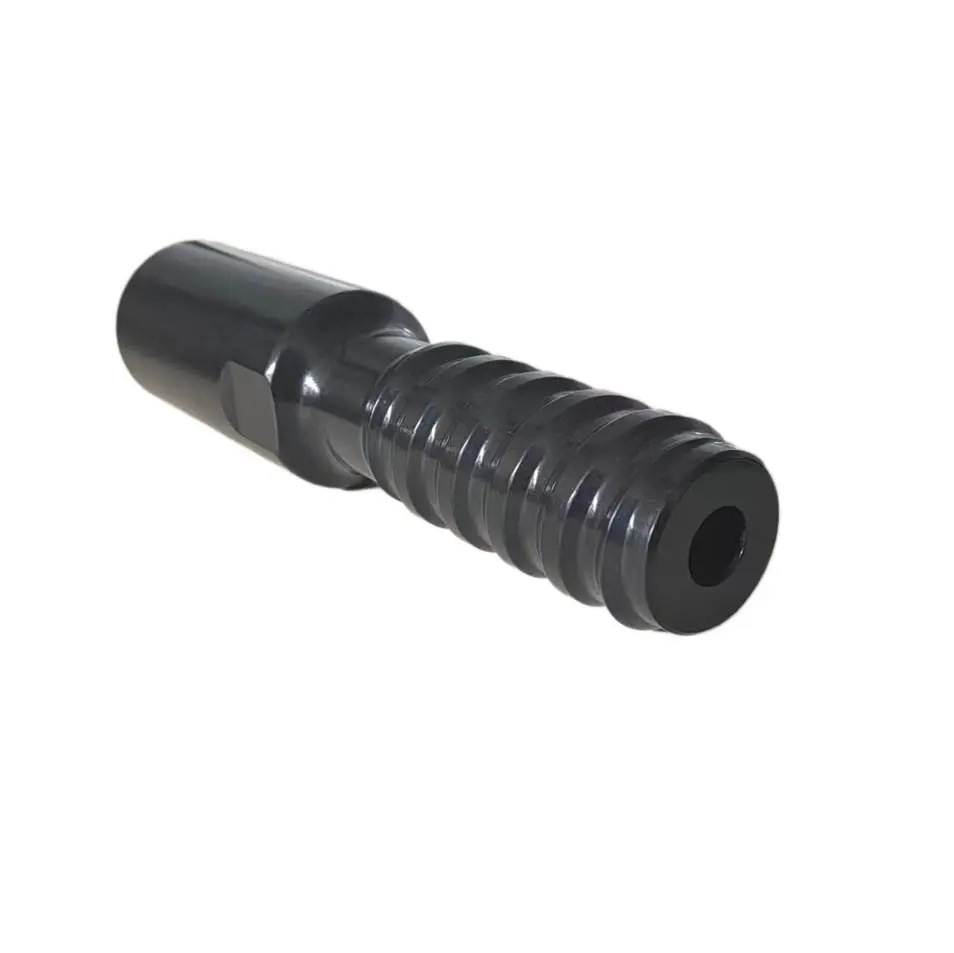
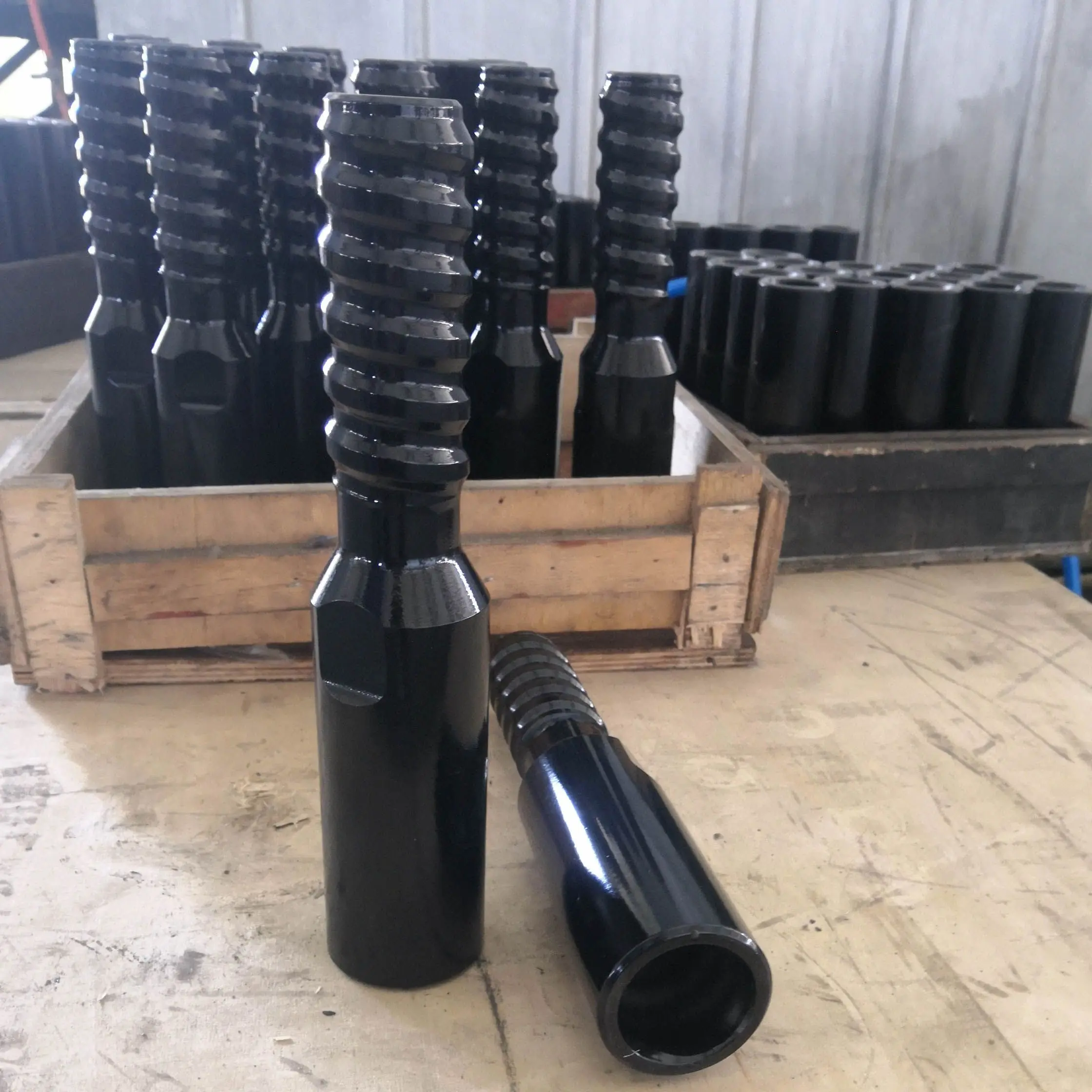
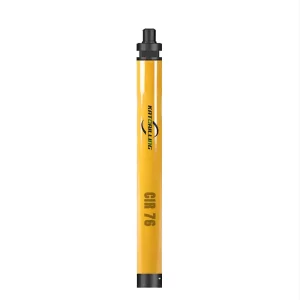
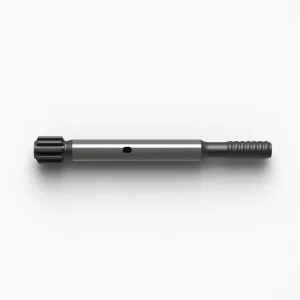
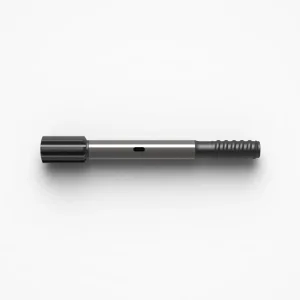
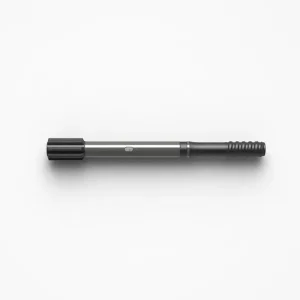
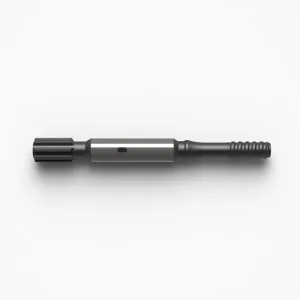
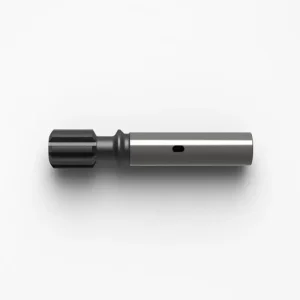
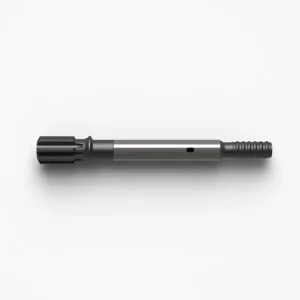
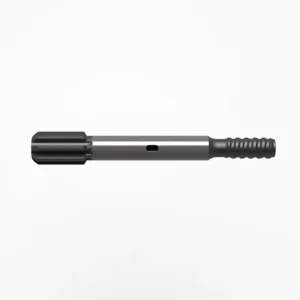
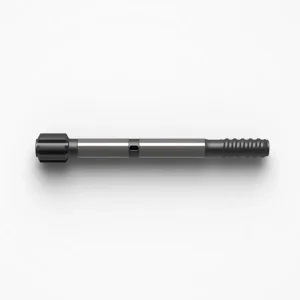
A coupling sleeve (also known as a connecting sleeve or coupling adapter) is a cylindrical mechanical component engineered to join two separate shafts, rods, or tubular parts in industrial systems. Its primary role is to ensure the stable transmission of torque, axial load, or impact energy between connected components while maintaining precise alignment and structural integrity. As a core auxiliary part, it is widely applied in drilling, mining, construction, and heavy machinery sectors.
Coupling sleeves are essential in industrial scenarios involving power/force transmission, especially in drilling and mining equipment. Threaded Coupling Sleeve are equipped with internal threads to match external threads of connected rods/shafts; suitable for low-to-medium load applications and easy to install/remove.
Core Functions
🔗
Mechanical Connection
Establishes a rigid or semi-rigid link between components (e.g., drill rods, DTH hammer shanks, or machine drive shafts) to transfer rotational force, axial load, or impact energy without disconnection under operational stress.
📏
Alignment Maintenance
Guides and positions mated parts to prevent misalignment, which can lead to vibration, excessive wear, or premature failure of the entire assembly.
🛡️
Wear & Shock Absorption
In high-impact scenarios (e.g., DTH drilling), high-grade coupling sleeves are made with wear-resistant materials to absorb shock and reduce friction between mating components.
⚙️
Easy Assembly/Disassembly
Enables quick connection and removal of parts during equipment maintenance, replacement, or on-site operation, improving operational efficiency.
Frequently Asked Questions
Q: What is the primary purpose of a coupling sleeve?
A: It is used to join two separate shafts or rods to ensure the stable transmission of torque, axial load, or impact energy while maintaining alignment.
Q: In which industries are coupling sleeves most commonly used?
A: They are widely applied in drilling, mining, construction, and heavy machinery sectors.
Q: What are the advantages of threaded coupling sleeves?
A: Threaded versions allow for easy installation and removal, making them ideal for low-to-medium load applications and quick maintenance.
Q: How does a coupling sleeve help prevent equipment failure?
A: By maintaining precise alignment of mated parts, it prevents vibrations and excessive wear that often lead to premature mechanical failure.
Q: Can coupling sleeves withstand high-impact environments?
A: Yes, high-grade coupling sleeves are manufactured with wear-resistant materials specifically to absorb shock and reduce friction in high-impact scenarios like DTH drilling.
Q: Does using a coupling sleeve improve operational efficiency?
A: Yes, its design enables rapid assembly and disassembly of parts, which significantly reduces downtime during on-site operations and maintenance.
 KAT DRILLING