As the mining industry evolves, the demand for efficient and durable Mining Drill Bits grows. In 2026, buyers will face a wide range of choices. Understanding these options is crucial for making informed decisions. Various factors affect the effectiveness of drill bits, including material, design, and intended use.
Selecting the right Mining Drill Bit can significantly impact productivity and cost. Buyers should consider the specific requirements of their projects. Each type of drill bit serves a distinct purpose. For instance, certain bits excel in hard rock, while others perform better in softer materials.
Despite the advancements in technology, challenges remain. Many buyers may overlook critical factors that influence their choice. A thorough understanding of the features and specifications of various drill bits is essential. This knowledge not only enhances performance but also ensures safety and efficiency on job sites.
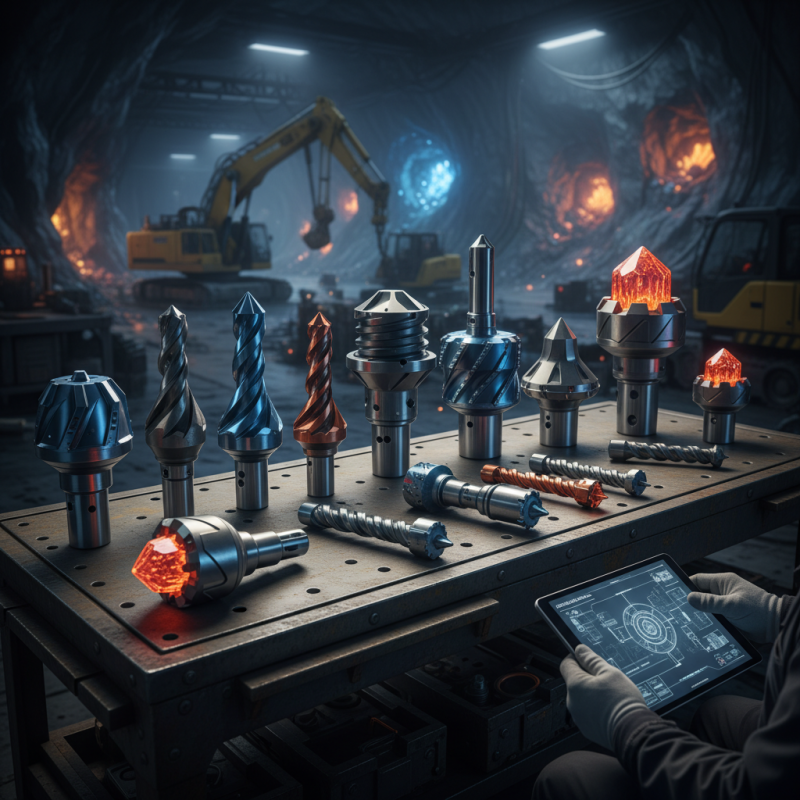
When selecting mining drill bits for 2026, several key factors play a significant role in making an informed choice. Material composition is crucial. Different ores require specific materials for optimal performance. Tungsten carbide bits are popular for their durability. However, the type of rock you'll encounter matters. Softer rocks may require something different from harder formations.
Additionally, the bit's design impacts efficiency. PDC bits, known for their smooth cutting action, can enhance speed. On the other hand, tricone bits are versatile, performing well in various conditions. Costs are always a concern. Striking the right balance between price and quality is essential. Cheaper options may seem appealing but can lead to higher long-term expenses due to rapid wear and tear.
Consider the environmental impact and sustainability of your choices. Eco-friendly options are gaining traction. Thinking about energy efficiency will also pay off in the long run. Many buyers overlook this aspect, focusing solely on performance. Reflecting on these factors can yield better choices. It's vital to assess your unique needs before making a decision.
When selecting mining drill bits, understanding the material types is crucial. The right material affects drilling efficiency and longevity. Common materials include carbide, steel, and diamond. Each has unique properties suited for different rock formations.
Carbide bits are popular for their toughness and resistance to wear. They perform well in hard rock environments. However, they can be brittle. Steel bits are more ductile, often used in softer formations. They offer flexibility but may wear down quickly. Diamond bits stand out, providing exceptional hardness. Despite their cost, they can deliver impressive results on tough jobs.
Buyers should consider their specific needs. For instance, the depth of drilling and the type of terrain will influence the choice of material. Misalignment in expectations can lead to poor performance. Regular assessments and adjustments are essential for optimal results. Understanding these variables will guide buyers toward making informed decisions.
This chart compares various types of materials used in mining drill bits based on their durability, cost, and specific applications in the mining industry.
The mining industry is rapidly evolving, especially in drill bit design.
Innovative technologies are shaping the future for 2026 and beyond.
Research suggests that over 20% of mining companies prioritize technology upgrades in their equipment.
This shift leads to improved efficiency and reduced operational costs.
One key advancement is the use of advanced materials.
High-performance composites now enhance the durability of drill bits.
According to a recent report, these materials can extend service life by up to 40%.
Additionally, specialized coatings are being implemented.
These coatings reduce friction and increase penetration rates.
The result? Higher productivity in challenging environments.
The mining drill bit market is evolving rapidly. According to recent industry reports, the global market is projected to reach $4.5 billion by 2026. This growth is driven by increased demand for energy resources and minerals. The trends reveal a shift towards more sustainable mining practices, influencing production and sales.
Innovations in drill bit technology are part of this transformation. Advanced materials like tungsten carbide and polycrystalline diamond enhance durability and performance. This development reflects a broader focus on efficiency and cost-effectiveness in the mining industry. However, supply chain challenges may hinder the timely availability of these advanced tools.
Additionally, market dynamics vary significantly by region. For instance, Asia-Pacific is expected to dominate the market, fueled by its growing mining activities. Yet, fluctuating raw material prices can impact production costs and pricing strategies. The market's complexities call for ongoing analysis and adaptability from manufacturers. This landscape suggests that stakeholders must remain vigilant to capitalize on emerging opportunities while navigating potential pitfalls.
In 2026, the mining industry aims for enhanced efficiency. Drill bits are a crucial element in this evolution. The right drill bit can significantly impact productivity and cost-effectiveness. According to industry reports, the global drill bit market is projected to reach USD 10 billion by 2026, showcasing an annual growth rate of 6.5%. This data highlights the increasing demand for advanced drilling solutions.
Several brands have established dominance in the market. Each brand brings unique offerings tailored for various mining conditions. Advanced carbide and polycrystalline diamond composite designs are among the latest trends. These materials provide better wear resistance and longer life. On the ground, operators have expressed mixed experiences. Some drilling projects reported major improvements, while others faced challenges like rapid wear or compatibility issues. An in-depth understanding of operating conditions is essential for choosing the right bit.
The diversity in drill bit models reflects varying geological needs. Some are designed for soft rock, while others excel in hard rock environments. Specialized options for specific applications are also gaining traction. While these advancements promise efficiency, they require careful consideration. The interplay between technology and field conditions often reveals unexpected results. Consequently, ongoing education and feedback loops within the industry remain critical for optimizing drill performance.
| Drill Bit Type | Best Features | Suitable Materials | Expected Durability | Price Range |
|---|---|---|---|---|
| Diamond Drill Bits | High hardness, excellent for rock | Granite, Hardrock | 2000-3000 meters | $150 - $400 |
| Carbide Bits | Resistance to wear, versatile | Soft to medium-hard rock | 1500-2000 meters | $100 - $300 |
| PDC Bits | Efficient drilling, high ROP | Soft rock, shale | 1000-1200 meters | $200 - $500 |
| Roller Cone Bits | Ideal for a variety of formations | All rock types | 1500-2500 meters | $120 - $350 |
| Core Drill Bits | Mature technology, gathers core samples | Sedimentary rock | 800-1500 meters | $250 - $600 |
: Tungsten carbide is popular for its durability in mining drill bits.
Softer rocks need different drill bits compared to harder formations.
PDC bits have a smooth cutting action that can improve drilling speed.
Balancing price and quality helps prevent higher long-term expenses from rapid wear.
Eco-friendly options and energy efficiency are important in selecting drill bits.
New composites can extend drill bit service life by up to 40%.
Smart systems provide real-time monitoring and data analytics to enhance performance.
Training a skilled workforce to manage innovative systems can be difficult.
Continuous feedback helps optimize drill performance based on real-world conditions.
No, specific drill bits are designed for particular geological conditions and applications.
As the mining industry evolves, understanding the various factors influencing the choice of Mining Drill Bits for 2026 is crucial. Buyers should consider material types, as different materials offer varying levels of durability and efficiency suited for specific mining conditions. Additionally, innovative technologies are reshaping drill bit design, leading to improved performance, reduced operational costs, and enhanced safety.
Market trends are also pivotal, as they dictate the demand for advanced Mining Drill Bits, reflecting shifts in mining practices and resource availability. Staying informed about these trends can aid buyers in making strategic decisions. Lastly, exploring the leading brands and their models in the Mining Drill Bit market will ensure that purchasers have access to the best quality products that meet the latest industry standards and requirements.

KAT DRILLING