What is an Integral Drilling Bit and How Does it Work?

Time:2026-05-13 Author:Ethan
0%

Integral drilling bits play a pivotal role in modern drilling operations. These bits are designed for durability and efficiency, allowing them to tackle various geological conditions. Dr. Jane Miller, a renowned expert in the drilling industry, says, "The integral drilling bit revolutionizes how we approach complex drilling projects." Her insight emphasizes the bit's significance in enhancing productivity.

Integral drilling bits are unique because they are manufactured as a single piece. This design reduces failure points, leading to a longer service life. They are often used in hard rock formations and can handle extreme pressures. However, users should understand that not every project will benefit from this specialized tool. Experts suggest a careful assessment of the drilling environment before making a choice.

While integral drilling bits offer advantages, they also require a certain level of expertise to operate effectively. Drillers must be trained to select and use them properly. Each drilling operation poses unique challenges, and understanding those nuances is crucial. The potential limitations highlight the need for continuous learning in this field.
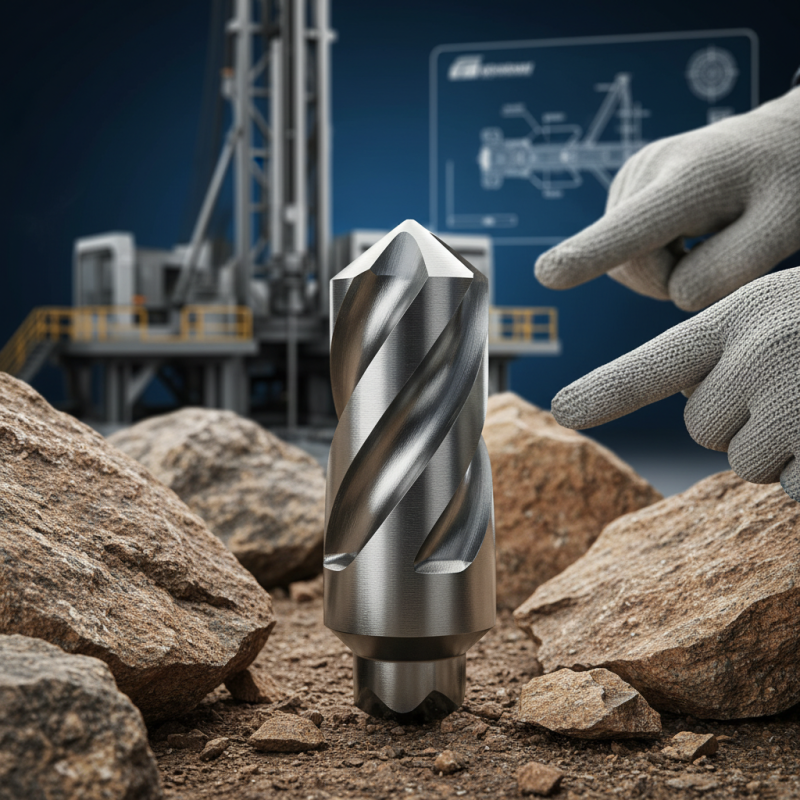
What is an Integral Drilling Bit and How Does it Work?

Definition of Integral Drilling Bit and Its Key Features

Integral drilling bits are specialized tools used in the drilling industry. They are designed as a single piece, or "integral," eliminating the need for separate components. This construction offers several advantages. Integral bits are known for their durability and strength. Their design allows for efficient drilling in tough geological conditions.

Key features of integral drilling bits include their high-bit life, which enhances productivity. These bits often have unique geometries that help with efficient chip removal. The materials used in their construction play a role in their performance. High-quality steel and hardfacing materials increase resistance to wear.

Tips: When selecting an integral drilling bit, consider the formation type you will encounter. The right bit geometry can significantly impact efficiency. Regular maintenance and monitoring can prolong the operational life of your bits.

Integral bits also have limitations. They may not perform well in all conditions, especially in very soft or fractured rocks. Proper training on their use is necessary. Users should reflect on their experiences to optimize performance. Evaluating past drilling conditions can lead to better future choices.

Integral Drilling Bit Key Features Comparison

The chart above illustrates the key features of integral drilling bits, measuring their performance metrics such as material durability, drilling efficiency, cost-effectiveness, versatility, and heat resistance. Each metric is rated on a scale from 0 to 100, providing a visual comparison of how integral drilling bits perform in these critical areas.

Design and Construction of Integral Drilling Bits

Integral drilling bits are essential tools in the drilling industry. They are specifically designed for efficient rock penetration. The construction of these bits greatly influences their performance and durability. A typical integral bit uses a single-piece body made from high-quality steel. This design minimizes weak points and enhances strength. The cutting edges are strategically placed for optimal cutting action.

The construction process is intricate. It involves forging and heat treatment to improve resilience. The steel undergoes rigorous testing to ensure it can withstand high pressure and temperature. The overall geometry of the bit plays a critical role in its effectiveness. A well-designed bit will have balanced weight distribution. This helps in maintaining stability during operation.

Despite these advancements, there are challenges. Not all integral bits perform well in every condition. They may struggle with certain rock formations. Sometimes, the expected wear rate can exceed predictions. It's crucial to analyze performance data regularly. Feedback from field use can lead to improvements in design. This iterative process helps in refining future integral bit models.

What is an Integral Drilling Bit and How Does it Work?

Dimension Description
Bit Type Integral Bit
Material High-grade steel or tungsten carbide
Diameter Range 1 inch to 12 inches
Application Oil and gas drilling, water well drilling, mining
Design Features Fixed blade design, optimized geometry for rock cutting
Life Span Typically 100 to 500 meters of drill depth
Weight Varies from 5 kg to 100 kg depending on size
Cost Ranges from $500 to $5,000 depending on specifications

Functionality and Mechanism of Integral Drilling Bits

Integral drilling bits are essential tools in the drilling industry, particularly for oil and gas extraction. Their design allows for efficient penetration into various geological formations. These bits typically feature a solid body that integrates the drill bit's cutting elements, providing both strength and durability. Research shows that integral drilling bits can increase drilling speed by up to 30% compared to traditional bits.

The mechanism behind integral drilling bits is intriguing. The bit's geometry and material composition are crucial for performance. High-quality steel and advanced carbide materials are commonly used. These bits are engineered to handle high temperatures and pressures encountered at depth. Studies indicate that optimized cutting structures lead to better rock-breaking efficiency, considerably reducing operational costs. This efficiency is vital as data reveals that unscheduled downtimes can escalate project expenses by 15%-25%.

Integral bits also provide valuable feedback during drilling operations. The ability to monitor parameters such as rate of penetration and torque can help operators make informed decisions. However, this technology still faces challenges. Wear and tear can significantly impact performance. As bit design evolves, continuous innovation is necessary to address these issues, ensuring reliability in various environments. Integrating advanced technologies can lead to better predictive maintenance, enhancing overall operational success.

Applications and Benefits of Using Integral Drilling Bits

Integral drilling bits are pivotal in various drilling operations, delivering unique benefits. These bits are designed with a single piece structure, providing enhanced durability. This design minimizes the risk of bit failure during challenging tasks. The seamless construction offers a consistent cutting action, allowing for efficient penetration of tough materials. They perform well in both soft and hard formations, making them versatile.

The applications of integral drilling bits span several industries. They are often used in oil and gas exploration, mining, and geothermal drilling. In these fields, reliability is crucial. Operators look for tools that can withstand extreme conditions. Integral bits reduce the need for frequent replacements, leading to lower operational costs. Their durability means less downtime, allowing for greater productivity.

However, the effectiveness of these bits may vary based on specific conditions. Drillers must consider factors like geological composition and drilling speed. Sometimes, the initial cost of integral bits may deter some operators. Yet, the long-term benefits often justify the investment. Users may need to adjust their techniques when using these specialized tools. Understanding how they perform under different scenarios is essential for maximizing their advantages.

Comparative Analysis with Traditional Drilling Bits

Integral drilling bits have gained increased attention in the drilling industry. They differ significantly from traditional bits. Traditional drilling bits often consist of multiple components, which can complicate maintenance and increase the risk of failure. Integral bits, on the other hand, are made from a single piece of material, making them more durable and reliable.

A comparative analysis reveals that integral bits provide enhanced performance in various geological conditions. According to the Society of Petroleum Engineers, integral bits can achieve a higher rate of penetration (ROP) by up to 30% compared to traditional bits in hard rock formations. This increase translates into significant time and cost savings. However, some operators report challenges in using these bits under certain conditions. Understanding the specific environments where integral bits excel is crucial for improved drilling outcomes.

Tip: Always analyze the geological formation before selecting a bit type. Knowing your environment can prevent unnecessary downtime.

Performance data suggest that while integral bits excel in hard rock applications, they may not perform as well in softer formations. Some users have noted wear patterns that require careful monitoring. Balancing the choice of drilling bits with the specific geological context is essential for maximizing efficiency.

Tip: Regular inspection of drilling bits can help identify wear and improve decision-making. Accurate data collection enhances operational strategies.

FAQS

: What are integral drilling bits?

: Integral drilling bits are one-piece tools used in the drilling industry. They improve durability and reliability during operations.

What are the benefits of using integral drilling bits?

They provide enhanced durability and reduce the risk of failure. This leads to lower operational costs and increased productivity.

How do integral bits differ from traditional bits?

Traditional bits consist of multiple components, increasing maintenance complexity. Integral bits are made from a single piece, enhancing reliability.

In what conditions do integral drilling bits perform best?

They excel in hard rock formations, providing higher rates of penetration. However, they may struggle in very soft or fractured rocks.

What must operators consider when using integral bits?

Operators should analyze the geological formation beforehand. Understanding the specific environment is crucial to prevent inefficiencies.

How can regular maintenance impact integral bits?

Regular maintenance can prolong the lifespan of integral bits. Monitoring wear patterns aids in making informed operational decisions.

Is the initial cost of integral bits justified?

Yes, even though they may have a higher initial cost, the long-term savings often outweigh this expense due to durability.

What adjustments might users need to make?

Users may need to refine their drilling techniques. Understanding the tool's performance in various scenarios is essential for optimal results.

Why is operator training important for integral bits?

Proper training helps users handle these specialized tools effectively. Reflection on past experiences can lead to better future choices.

What should be monitored when using integral drilling bits?

Operators should monitor wear patterns closely. This awareness can enhance performance and assist in decision-making.

Conclusion

An Integral Drilling Bit is a specialized tool designed for enhanced drilling efficiency and durability. Characterized by its one-piece construction, it eliminates the need for welding or connections, resulting in a stronger and more reliable product. The design features of an Integral Drilling Bit often include advanced geometries and high-quality materials, which contribute to its performance in various geological conditions.

The functionality of an Integral Drilling Bit relies on its unique mechanism that optimizes cutting action and minimizes wear. This innovative design is particularly beneficial in sectors such as oil and gas exploration, mining, and construction, where reliability is paramount. Compared to traditional drilling bits, Integral Drilling Bits offer significant advantages, including reduced downtime and increased penetration rates, making them a preferred choice for challenging drilling environments.

Ethan

Ethan

Ethan is a seasoned marketing professional with a deep expertise in our company's innovative product line. With a passion for sharing knowledge and insights, he takes the lead in regularly updating our corporate blog, where he explores industry trends, product features, and effective marketing......