When tackling any drilling project, selecting the right Auger Drill Bit is crucial. According to James Thompson, a leading expert in the drilling industry, “Choosing the right tool can make or break your project.” His insight highlights the importance of selecting the appropriate bit for your specific needs.
Auger Drill Bits come in various types and sizes, each tailored for different applications. From landscaping to construction, the right bit ensures efficiency and effectiveness. It’s essential to understand the material you are drilling into. Each surface requires a specialized design for optimal results.
However, many users overlook the specifications of an Auger Drill Bit. This can lead to frustration and subpar outcomes. Factors like the bit's diameter, length, and material greatly impact performance. It's worth reflecting on your previous projects to assess whether the bit selection contributed to your success or challenges faced. Making informed choices can elevate your craftsmanship to new heights.
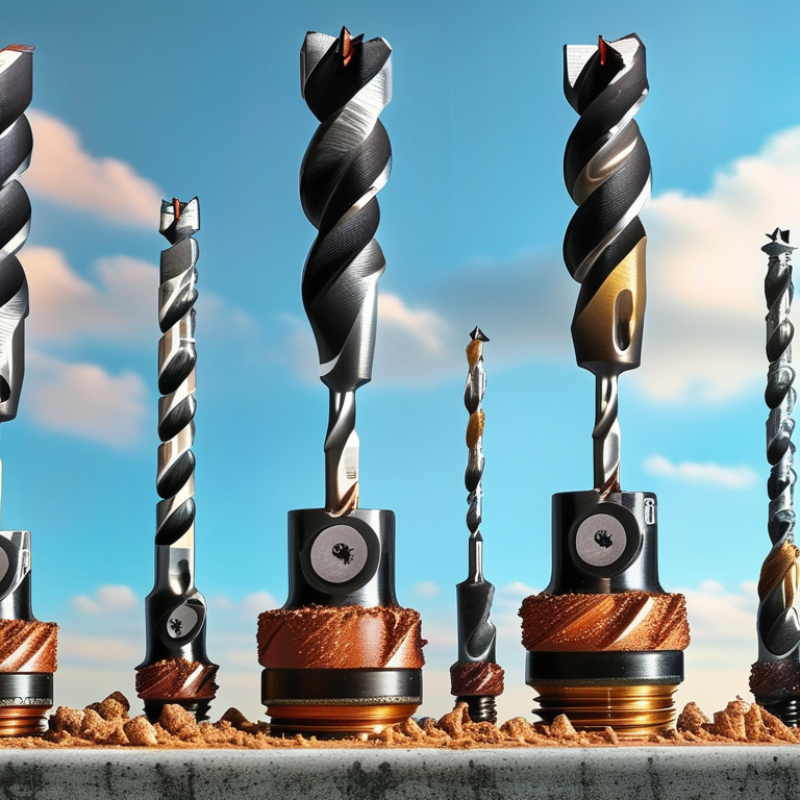
Understanding Auger Drill Bits: Types and Their Applications
When choosing an auger drill bit, understanding the types available can make a significant difference in your projects. Auger bits are used for various applications, such as drilling deep holes in wood, soil, or other materials. Each type serves a unique purpose. For instance, wood auger bits are designed with a screw tip to easily pull the bit into the material. These bits provide clean holes and are particularly effective for drilling large diameters.
Soil augers, on the other hand, are essential for landscaping or garden projects. They come with a spiral design that allows them to efficiently break through tough ground. When using soil augers, consider the soil type. Rocky or clay-heavy soils might require specific bits for better performance. Mixing up bit types can lead to frustrations during drilling, affecting the efficiency of work.
Choosing the right bit is not just about efficiency; it requires thought and planning. Each project presents unique challenges. Consider the material, depth, and diameter needed. Sometimes, using the wrong type can lead to wasted time and effort. Experimenting with different bits may yield unexpected results, pushing you to refine your approach. Always assess your needs and adapt your strategy accordingly.
Key Factors to Consider When Selecting an Auger Drill Bit
When selecting an auger drill bit, consider the material and type of project. Auger bits made from high-speed steel (HSS) are common. They are versatile and cost-effective for general drilling. For tougher materials, carbide-tipped bits are essential. They provide durability and sharpness, lasting longer in demanding conditions. According to a 2022 industry report, using the right bit can increase efficiency by up to 40%.
Another factor is the size and length of the bit. A standard auger bit is typically 3 to 12 inches in diameter. Choosing the correct size is crucial for achieving optimal results. For deep or wide holes, longer bits are necessary. However, longer bits can be harder to control. Feedback from professionals indicates that there is often a trade-off between size and precision.
Lastly, performance is key but often overlooked. The cutting angle and thread design affect how smoothly the bit drills. Misalignment due to the wrong angle can lead to frustration. In a 2021 survey, 35% of users noted inconsistent performance in poorly matched bits. This shows the importance of deep understanding in selecting auger drill bits for your specific needs.
Material Composition of Auger Drill Bits and Their Impact on Performance
The material composition of auger drill bits significantly influences their performance across various projects. Common materials include high-speed steel (HSS), carbide, and more specialized alloys. HSS bits are popular for their strength and durability, making them suitable for general-purpose drilling. However, they may struggle in harder materials. In contrast, carbide-tipped bits excel in terms of cutting efficiency and longevity, especially in tough applications. A study by the National Association of Home Builders suggests that using high-quality materials can enhance a drill bit's lifespan by up to 50%.
Another important factor is the coating on drill bits. Coatings like titanium or black oxide reduce friction and improve wear resistance. According to industry research, drill bits with coatings can last 30% longer than their uncoated counterparts. However, users should also be cautious. Coated bits can be more brittle and prone to breakage under excessive pressure. Understanding the material's properties helps in selecting the right auger bit for specific tasks, ultimately improving work efficiency.
While there are many options, each type has its subtleties. Users should consider the trade-offs between durability and cutting capability based on their project needs. Evaluating the environment in which the drill bit will be used is crucial. Even the best materials aren't foolproof. Regular inspections and replacements are still necessary for optimal performance.
Optimal Bit Sizes and Designs for Different Soil Types
When selecting an auger drill bit, understanding soil types is crucial. Different soils require specific bit sizes and designs to perform effectively. For sandy soil, a narrow bit with a sharp edge works best. It allows for easier penetration and prevents the bit from getting stuck. However, users often underestimate the importance of a well-designed auger for this soil type.
Clay soil presents a different challenge. A wider auger with aggressive cutting edges is necessary here. These bits can break through dense clumps more efficiently. Yet, many inexperienced users struggle with choosing the right design, leading to frustration. It's important to evaluate your equipment regularly.
Rocky soil complicates matters even further. A bit made from durable materials is essential. Look for features that enhance durability and stability. Often, people overlook wear and tear when using augers in rocky conditions. Each soil type has its unique demands. Relying solely on one bit can lead to disappointing results. Understanding these intricacies can elevate your project outcomes.
How to Choose the Best Auger Drill Bit for Your Projects?
| Soil Type |
Optimal Bit Size |
Recommended Design |
Usage Notes |
| Clay |
6-8 inches |
Screw Tip Auger |
Use slow rotation to avoid clogging. |
| Sandy |
4-6 inches |
Spiral Auger |
High speed can be used; good for drainage. |
| Loamy |
8-10 inches |
Combination Auger |
Versatile for planting and small tasks. |
| Rocky |
3-5 inches |
Heavy-Duty Auger |
Need to exert more force; check for sharpness. |
| Wet |
6-8 inches |
Digger Auger |
Slow rotation to manage water flow. |
Maintenance Tips to Prolong the Life of Your Auger Drill Bit
Maintaining your auger drill bit is essential for its longevity and efficiency. Regular inspections help identify wear and tear before they become significant issues. Examine the cutting edges for any signs of chipping or dullness. A dull bit can lead to increased friction, which not only slows down your work but can also lead to overheating.
Proper cleaning after each use is vital. Dirt and debris can accumulate, affecting performance. Use a brush or cloth to remove residual soil. Occasionally soak the bit in warm water to loosen grease or hardened material. After cleaning, dry it thoroughly to prevent rust formation, especially if you work in humid environments.
Storage plays a critical role in maintaining your auger drill bit. Keep it in a dry, cool place away from moisture. Consider using a protective case to prevent physical damage. Over time, even the best bits can lose their edge, so always reassess their performance after significant use. Reflect on your maintenance practices regularly and adapt them as needed to enhance the lifespan of your tools.
Conclusion
Choosing the best Auger Drill Bit for your projects involves understanding the different types and their specific applications. Various factors, such as the soil type, desired depth, and intended use, play a critical role in the selection process. The material composition of an Auger Drill Bit also significantly affects its performance, with some materials offering better durability and efficiency than others.
Optimal bit sizes and designs are crucial for various soil types, ensuring effective drilling and minimizing effort. Additionally, proper maintenance is essential to prolong the life of your Auger Drill Bit, helping you achieve the best performance over time. By considering these factors, you can make an informed decision and enhance the efficiency of your drilling tasks.

 KAT DRILLING