In the world of mining, efficiency is crucial. Utilizing the right tools can significantly impact project outcomes. Rock Drill Bits stand out as essential components for any mining operation. They are designed to penetrate tough materials, making them vital for extracting minerals and resources.
Selecting the best Rock Drill Bits is not always straightforward. Many options exist, each with different features and benefits. Factors such as durability, speed, and adaptability are crucial for successful drilling. With experience, professionals recognize that the right choice can save time and reduce costs.
However, mistakes can happen. Poor quality bits may lead to more issues and downtime. It's important to take time to research and understand what suits your specific needs. The right guidance can ensure that you avoid common pitfalls and make informed decisions.
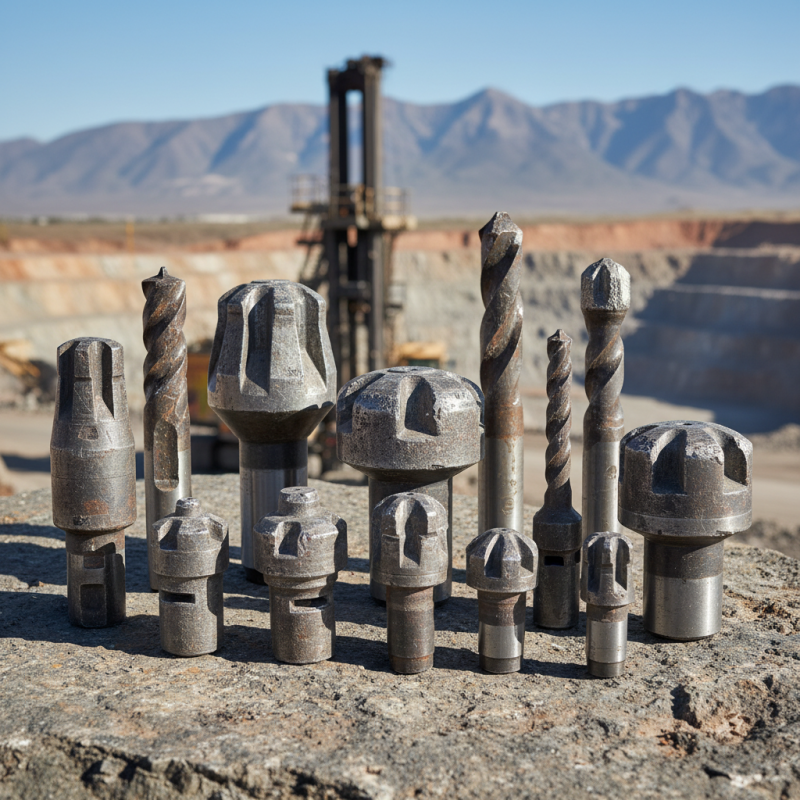
When it comes to mining, rock drill bits play a vital role in efficiency and productivity. There are several types, each designed for specific tasks. Tricone bits, for example, are ideal for soft to hard formations. They use rotating cones to crush rock, making them versatile for various conditions. Another option is diamond bits, known for their durability. These bits can tackle the hardest materials, but they come at a higher cost.
Understanding the function of each type helps in selecting the right tool for a project. For softer rock, a drag bit can be sufficient. It provides speed and efficiency, cutting through material with ease. However, these bits may struggle with tougher surfaces. Selecting the wrong bit can lead to inefficiencies and increased costs. It's crucial to consider the specific geological conditions when choosing a drill bit.
Choosing the appropriate rock drill bit is an art as much as it is a science. Experienced miners will tell you that trial and error are part of the journey. Sometimes, a bit that works well in one situation may not yield the same results elsewhere. Reflecting on past choices can lead to better decisions in the future. Each project teaches valuable lessons about tools and techniques in the mining industry.
When selecting rock drill bits for mining projects, features vary widely. The bit's material is crucial. Tungsten carbide tips offer higher durability, ideal for harder rock formations. Research shows that bits with carbide tips can last up to 50% longer than standard steel bits. This durability translates to less downtime and increased efficiency on the job site.
The design of the flutes is another critical feature. Effective flutes enhance debris removal during drilling. A well-designed flute can increase penetration rates by 30% in some projects. Drill bits with optimized helix angles assist in maintaining cooler temperatures, preventing overheating. This is vital; overheating can reduce the bit’s lifespan significantly.
Moreover, drill diameter matters. Smaller bits can be maneuvered easily, but larger bits drill faster. Selecting the right size depends on the project’s specific needs. Balancing efficiency and precision can be tricky. Often, contractors overlook how the choice impacts overall performance. Regular review and adjustment of specifications are essential. Good understanding ensures the tools are aligned with the project requirements.
When selecting rock drill bits for mining, one must consider efficiency and durability. A recent industry report indicates that mining projects can improve productivity by up to 30% with the right drill bits. These tools play a significant role in reducing operational costs. High-quality bits can penetrate tough rock formations, enhancing drilling speed and overall project timelines.
Safety and reliability are critical in mining operations. According to data from the U.S. Bureau of Mines, drill failures account for 15% of project delays. Using well-engineered rock drill bits helps minimize these risks. The material composition and design are vital. For instance, carbide-tipped bits are commonly favored for their longevity across various rock types.
Understanding the different applications of rock drill bits is essential. Not all bits are suitable for every project. Some are optimized for soft rock, while others excel in hard formations. This diversity can lead to reflections on project planning and execution, where the wrong choice can stall progress. Investing in the right tool is crucial for enhancing production while ensuring operator safety. Mining teams should prioritize research and experience to select the best options available.
| Rank | Bit Type | Material | Diameter (mm) | Length (mm) | Weight (kg) | Usage |
|---|---|---|---|---|---|---|
| 1 | Tungsten Carbide | Tungsten Carbide | 45 | 200 | 3.0 | Hard Rock |
| 2 | Diamond Core | Diamond | 35 | 150 | 2.5 | Exploration |
| 3 | Button Bit | Carbide | 60 | 250 | 4.0 | Mining |
| 4 | Pneumatic Chisel | Steel | 50 | 180 | 3.5 | Demolition |
| 5 | Tapered Bit | Carbide | 40 | 220 | 2.8 | Blasting |
| 6 | DTH Bit | Tungsten Carbide | 90 | 300 | 5.0 | Deep Hole Drilling |
| 7 | Auger Bit | High Carbon Steel | 65 | 210 | 3.2 | Soil Drilling |
| 8 | Rock Bit | Steel | 75 | 280 | 4.5 | Quarrying |
| 9 | Heavy Duty Bit | Tungsten Carbide | 100 | 320 | 6.0 | Construction |
| 10 | RC Bit | Composite | 80 | 300 | 5.2 | Reverse Circulation |
When analyzing rock drill bits for mining projects, performance and durability are crucial factors. Various materials and designs can significantly impact efficiency. A carbide-tipped bit might offer better wear resistance. However, it may also break under extreme pressure. Understanding these trade-offs is essential for selecting the right tool.
Certain bits excel in softer rock formations. Others perform better in hard, abrasive environments. Bit geometry plays a key role in penetration rates. A flatter design may enhance stability but could decrease speed. These characteristics influence how quickly a project progresses. Durability is not always guaranteed, even in high-quality products. Regular maintenance can extend a bit's lifespan, yet it requires effort and resources.
Ultimately, choosing a rock drill bit involves balancing performance and durability. A bit that is too aggressive might lead to quick wear. Conversely, a more rugged option may slow down drilling speed. Examine past project requirements thoroughly. Reflecting on past experiences can lead to better future decisions in selecting drill bits.
When using rock drill bits for mining projects, following best practices is essential for optimal performance. Start by selecting the right drill bit for your specific application. Different rock formations require different types of bits. Hard, abrasive rock might need a tougher, carbide-tipped bit, while softer materials could be drilled effectively with standard steel bits. Always consider the conditions of the mining site.
Maintaining your drill bits is crucial. Regularly inspect for wear and damage. Dull bits are less efficient and can lead to increased downtime. Using water or air cooling can help prolong the life of a bit. This practice reduces friction and disperses heat. Pay attention to the drilling speed as well. Going too fast can wear bits prematurely, while too slow might cause excessive build-up.
Even with the best practices, challenges may arise. Some drillers report difficulty in maintaining consistent depth. Uneven rock composition can impact the efficiency of drilling. It’s vital to adapt techniques according to the specific mining environment. Continuous learning and adapting to these challenges can significantly improve project outcomes. A proactive approach can lead to better performance over time.
: Rock drill bits are essential tools in mining, enhancing efficiency and productivity.
Common types include tricone bits, diamond bits, and drag bits, each designed for specific conditions.
Tricone bits use rotating cones to crush rock, making them versatile for various formations.
Diamond bits are durable and effective on hard materials, but they come at a higher price.
Consider geological conditions and the specific tasks. Wrong selections can cause inefficiencies.
Drag bits are efficient on softer rock but may struggle with tougher surfaces.
Using the right drill bits can improve productivity by up to 30% and reduce costs.
Drill failures contribute to project delays; reliable bits help minimize operational risks.
Yes, reflecting on past choices helps refine tool selection and execution strategies.
They offer longevity and performance across various rock types, making them a reliable choice.
This article delves into the essential aspects of Rock Drill Bits, a crucial tool in mining projects. It begins by examining the various types and functions of these bits, helping readers understand their applications in different geological conditions. The article then highlights key features to consider when selecting Rock Drill Bits, such as material composition, size, and design, ensuring optimal performance for specific tasks.
In the comprehensive review of the top 10 Rock Drill Bits for mining, the piece offers a comparative analysis of their performance and durability, guiding professionals in their purchasing decisions. Moreover, it concludes with best practices for using Rock Drill Bits effectively in mining operations, emphasizing techniques that enhance efficiency and safety. Overall, this resource serves as a valuable guide for anyone involved in mining, shedding light on the significance of selecting the right Rock Drill Bits for successful projects.

KAT DRILLING